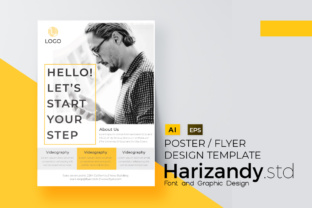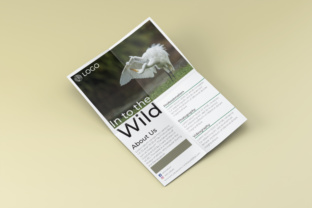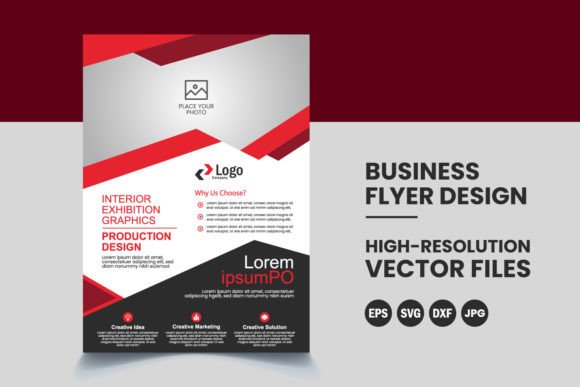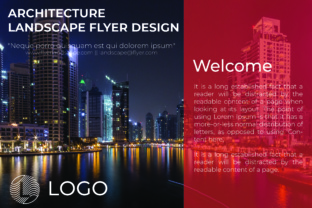
Architecture Landscape Flyer Design: A Minimalist Template for Professionals
In the world of architectural marketing and landscape design, the medium often needs to match the message. We are frequently tasked with showcasing complex, high-resolution imagery—whether it is a sprawling residential development or a sleek interior renovation—without letting the marketing material overshadow the work itself. This is where the Architecture Landscape Flyer Design template distinguishes itself. It is not merely a background for text; it is a strategic layout tool built on the philosophy of "less is more." By adopting a minimal style, this template ensures that your project renders and photography remain the heroes of the narrative.
What makes this specific layout so effective is its ability to look professional and clean without requiring a degree in graphic design to execute. Often, architects and landscape designers struggle with marketing materials that feel cluttered or amateurish. The Architecture Landscape Flyer Design avoids this by utilizing a modern, clever grid system. It offers a sophisticated framework that guides the viewer’s eye naturally from the headline to the image, and finally to the call to action. It is a digital asset that respects the intelligence of your audience, presenting information with clarity and elegance.
The Visual Personality: Modern, Clean, and Uncluttered
When we talk about the "personality" of a flyer, we are referring to the emotional response it triggers in the viewer. The Architecture Landscape Flyer Design exudes confidence. Because it is minimal, it suggests that the work being showcased speaks for itself. There are no unnecessary decorative elements, no garish color gradients, and no cluttered text blocks. Instead, you will find ample negative space—a crucial element in modern typography and layout design. This white space allows the content to breathe, making the flyer feel high-end and premium.
The visual characteristics rely heavily on structure. The layout typically favors strong vertical or horizontal lines that complement architectural photography. This creates a sense of order and stability, which is exactly what potential clients look for when hiring a firm to build their home or redesign their office. The "clever" aspect of the design lies in how it balances visual hierarchy with readability. The placement of text elements is calculated to draw attention without distracting from the portfolio images. It is a design that feels timeless rather than trendy, ensuring your marketing materials won't look dated in six months.
Practical Applications: Beyond the Blueprint
While the name suggests a specific niche, the utility of the Architecture Landscape Flyer Design extends far beyond just architects. It is a versatile design asset for anyone in the built environment or creative industries. Landscape architects, interior designers, real estate developers, and even high-end construction firms can leverage this template to create cohesive brand identity materials.
Here are a few practical scenarios where this template excels:
- Project Proposals: Use the layout to create a sleek cover sheet or executive summary for a new housing development. The professional format sets the tone for a serious business pitch.
- Open House Marketing: For real estate agents, this template provides the perfect backdrop for property listings. The clean layout ensures that property details and photos are easily digestible.
- Portfolio Showcases: Freelance designers can use this as a print design leave-behind when meeting with potential clients. It acts as a physical representation of your design sensibilities.
- Event Promotion: If you are hosting a gallery opening or a design workshop, the Architecture Landscape Flyer Design offers the sophistication required to attract a discerning audience.
Furthermore, because the design is so adaptable, it works well across different mediums. While optimized for print, the digital files can easily be repurposed for web design elements, such as PDF downloads for lead magnets or visually rich email headers. The A4 size is a standard that translates well to digital screens, maintaining its readability whether viewed on a monitor or held in hand.
Technical Specifications and Customization Ease
A common pain point in editorial design and packaging design is the rigidity of templates. However, this particular asset is built for flexibility. Provided in Adobe Illustration (.AI) and EPS format, the files are fully editable vector graphics. This is a significant advantage for designers who need to scale elements without losing quality. Whether you need to adjust the layout for a different paper size or tweak the spacing to accommodate a specific block of text, the vector format makes it seamless.
The template comes ready for print with the correct CMYK color mode and includes bleed settings (0.12 Inches). This technical preparedness saves you the headache of converting RGB files to print-ready formats and ensures your printer won't reject the file for setup errors. You have the freedom to change colors to match your specific brand identity, swap out fonts to match your company's style guide, and replace images with your own high-resolution project photos.
It is important to note the licensing regarding the assets included. The template utilizes fonts and images used are free, meaning you won't face hidden costs or licensing issues when you use the provided typography. However, as noted in the product description, the mockups used for preview purposes are not included. This is standard practice, as the focus is on the flyer design itself, not the stock photography used to demonstrate it.
Maximizing Impact with Minimalism
Using a minimal template like the Architecture Landscape Flyer Design requires a certain level of discipline in your content creation. Because the design is clean, your copywriting must be equally sharp. You cannot hide behind busy graphics; every word must earn its place on the page. This forces you to clarify your value proposition, which ultimately leads to better communication with your audience.
When customizing, pay attention to the visual hierarchy. Use the designated headline areas for your strongest hook—perhaps the name of the project or a bold promise like "Redefining Urban Living." Use the body text areas for the essential details: location, specs, and contact information. Avoid the temptation to add extra elements. Trust the negative space. In modern typography and layout, what you leave out is just as important as what you put in.
Ultimately, this flyer template is more than just a collection of boxes and lines; it is a framework for professionalism. For the architect, the marketer, or the small business owner, it provides a shortcut to creating premium font and image compositions that look like they cost a fortune to produce. It bridges the gap between high-concept design and practical, everyday marketing needs.